



MVR Evaporator Rental: Models, Pricing and Contracts
Release Time:
2026-10-07 09:02

MVR Evaporator Rental: Models, Pricing and Contracts
Not every plant that needs mechanical vapor recompression is ready to commit capital to it. When a discharge deadline is fixed, when an existing unit has failed, or when a process still has to be proven, renting an MVR evaporator can be a sounder first move than writing a purchase order. Rental has matured into a standard commercial option in the environmental sector, and understanding how it is priced, what it covers and how to exit it cleanly is what separates a smart stop-gap from an expensive habit.
🧭 Rental vs Ownership: The Core Trade-off
Ownership wins on lifetime cost when a duty is stable and long. Rental wins when the future is uncertain, because it converts a large capital outlay into a predictable operating charge and passes part of the risk — downtime, obsolescence, disposal — back to the supplier. As a rule of thumb, pure equipment rental is priced at 1.5% to 3% of the equipment value per month, with a refundable deposit on top. That number is only meaningful once you know what sits inside it, which is why the next sections matter more than the headline rate.

💵 The Three Rental Models Explained
Pure equipment rental is the simplest form: a complete MVR package — skid, compressor, heat exchangers, controls — is leased by the month or the year, and the operator runs it with its own staff. It suits plants that already have operating expertise and simply lack the equipment.
Rental with operation and maintenance adds a supplier crew. The owner pays a service fee per tonne of water treated, and the supplier is responsible for running, cleaning and maintaining the system. This removes the staffing question entirely and is popular where the client has no evaporation experience.
BOO and BOT arrangements go further still. The supplier invests, builds, owns and operates the plant for a contract term that typically runs three to ten years, and is paid by volume. This is the route for operators who want zero upfront capital and are comfortable with a long commitment.
📊 What the Rent Covers — and What It Does Not
In the equipment-only model, the monthly fee normally absorbs depreciation and routine maintenance. It usually does not absorb electricity, chemicals or operating labour — those stay with the tenant. Because power is the dominant running cost of any MVR system, the difference between "rent included" and "utilities excluded" can be larger than the rent itself. Before signing, ask for the boundary in writing: who pays for power, who buys the anti-scalant, who covers a compressor overhaul, and who is liable if a performance guarantee is missed.
🎯 When Renting Beats Buying
Three situations justify rental almost without argument. The first is a regulatory deadline: an inspection-driven rectification that must be finished in weeks, not in the several months a new unit needs. The second is a failure, where a rented machine stands in for a broken system so production continues. The third is a bridge — a project that has been approved but whose permanent equipment has not yet arrived. A fourth, quieter case is pilot or small-scale validation, where renting lets an operator confirm that MVR suits a difficult stream before committing to a full-scale purchase.
🧾 Contract Basics: Due Diligence and Exit Terms
Rental is only as good as the machine behind it. Insist on seeing the unit's operating log and maintenance record, verify the actual evaporation capacity against the duty you need, and where possible carry out a trial run before acceptance. The contract should fix responsibility for breakdowns and, critically, a replacement commitment — a spare unit on site within 48 hours is a realistic benchmark. Finally, agree the condition standards for return and who pays transport, so that the exit is as controlled as the entry.
🔄 The Rent-to-Own Bridge
Rental does not have to be a dead end. Many suppliers — WTEYA among them — offer a rent-to-buy arrangement in which part or all of the rent paid is credited against the purchase price if the operator later decides to keep the unit. It is a useful hedge: it removes the pressure to decide today while protecting the operator from having paid twice if the project turns permanent.
🏆 Why Operators Rent With WTEYA
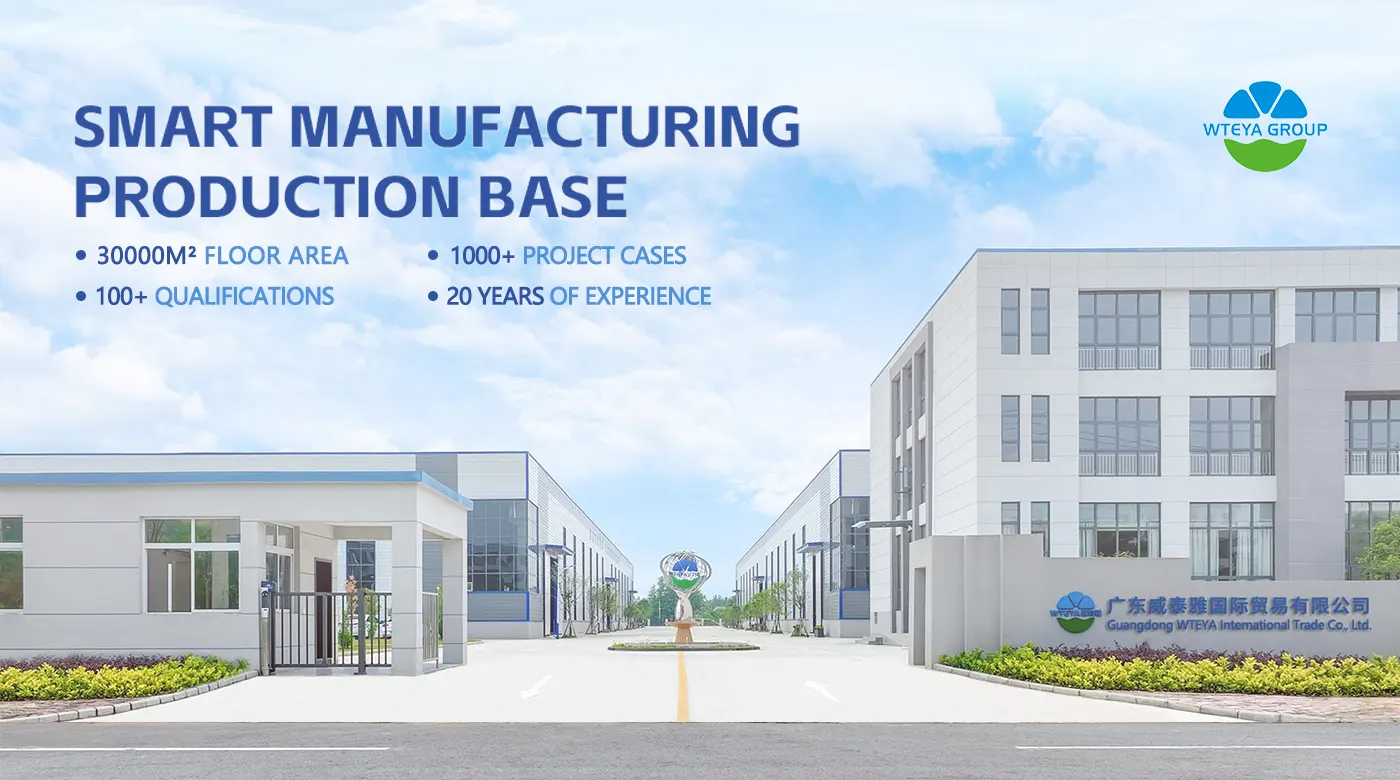
WTEYA builds evaporation and crystallization systems in its own workshops and has supplied more than 2,000 customers over nearly 20 years. That manufacturing base is what makes flexible rental possible: standard skid units can be made available at short notice, customized and OEM/ODM builds are handled in house, and a rent-to-own option lets a short-term need convert into a long-term asset without starting the procurement cycle again.
Frequently Asked Questions
A: MVR (Mechanical Vapor Recompression) evaporator is an energy-efficient evaporation technology that reduces energy consumption by 30-50% compared to traditional evaporation.
Q: How much energy can MVR save?
A: MVR evaporators typically reduce energy consumption by 30-50% compared to traditional multi-effect evaporators, using electricity instead of steam.
Q: What is the difference between MVR and multi-effect evaporator?
A: MVR uses mechanical vapor recompression for energy efficiency, while multi-effect evaporators use multiple evaporation stages. MVR has lower operating costs.
Transform Your Wastewater Management
Looking for a customized solution for MVR evaporation? Our team of experts is ready to help you design the most cost-effective and energy-efficient system for your specific needs.
Contact us today to discuss your project requirements and get a personalized quote.
📱 WhatsApp: +86-1800 2840 855
✉ Email: info@vteya.com
🌐 Website: www.vteya.com
Front page of Cross
Next go-to page
Related information
MVR Evaporator Rental: Models, Pricing and Contracts
Not every plant that needs mechanical vapor recompression is ready to commit capital to it. When a discharge deadline is fixed, when an existing unit has failed, or when a process still has to be proven, renting an MVR evaporator can be a sounder first move than writing a purchase order.
WTEYA Portable Seawater Desalination Enters French Market
WTEYA has brought its portable seawater desalination line to France with three 4021 units, each producing about 4,021 gallons of fresh water each day.
Industrial Wastewater Treatment: A Comprehensive Overview
Industrial Wastewater Treatment: A Comprehensive Overview Industrial wastewater is one of the most demanding streams any modern plant has to manage.
Salt Recovery from Industrial Wastewater: Methods and Value
Salt Recovery from Industrial Wastewater: Methods and Value Industrial brine is usually treated as a waste to be disposed of, yet it carries a commodity that many plants pay good money to buy back.
Happy National Day from WTEYA: October 1-7 Holiday Notice
WTEYA wishes all clients and partners a happy National Day. The group observes the October 1-7, 2026 holiday and resumes normal operations on October 8, with on-call engineers reachable throughout the break.
MVR Evaporator Delivery Schedule: Stages and Timelines
An MVR evaporator is engineered to order, so its delivery schedule is a project plan rather than a catalogue figure. From contract signature to shipment, most industrial systems take 90 to 180 days , and the installation and commissioning that follow add several more weeks on site.
Guangdong WTEYA Environmental Technology Co., Ltd
Contact us
WhatsApp: +86 1800 2840 855
Tel: +86-0769-28636053
+86-0769-28636126
Email: info@wteya.com
Add: Floor 14, F4 building, TianAn digital town,
Nancheng District, Dongguan,Guangdong, China